
Yelp using AI to turn your foodie moments into quick restaurant videos
Next time you dive into Yelp to look for restaurants or other places to go, you might see some of your previously posted content turning up in the app
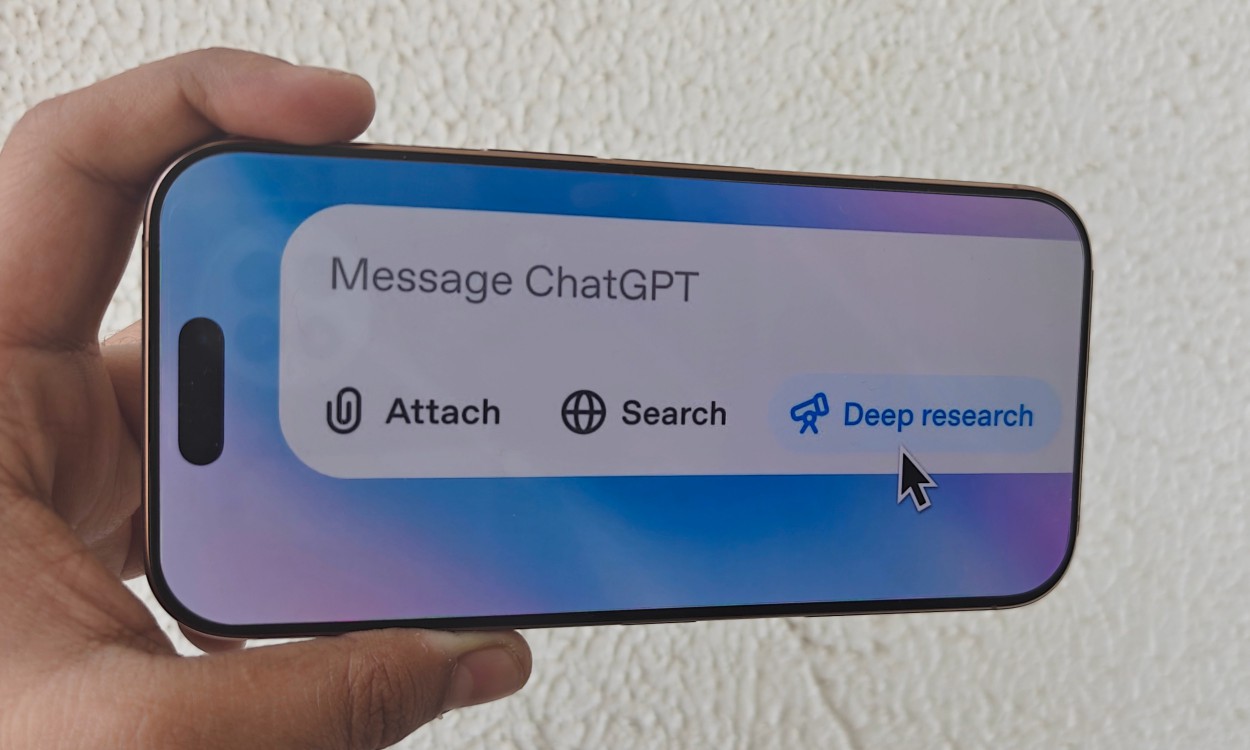
With the launch of GPT-5, ChatGPT received more than just an upgrade — it appears to have gone through a personality overhaul. Comparing past chats with the responses the chatbot gives now is like night and day.
In its announcement, OpenAI promised a more natural, less AI-like writing style from the latest model. And, although I might agree, I’m not sure how much I like it. I’m not alone — some users are extremely unhappy with this turn of events.
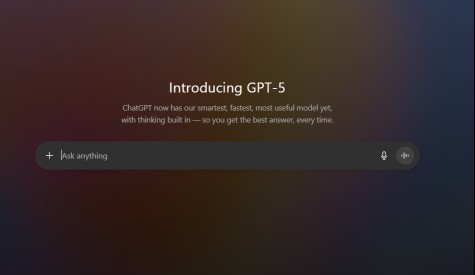
I’ve been using ChatGPT since it first went public, and at this point, I feel like we’ve come full circle as far as the chatbot’s personalities go. Let me explain.
We started out with ChatGPT being pretty dry. If you asked it to tell you a joke, it would, and it’d be a joke most dads would’ve been proud to make. If you asked it to write a research paper, it’d try (and often fail miserably). It responded to queries in a natural manner, much more natural than simply looking things up in your search engine of choice, but it didn’t have much of a personality. It was formal, overly verbose, and painfully boring.
Over time, the chatbot’s personality evolved. In GPT-4, I’d say that OpenAI somehow went too far in the other direction. It was hard to get a response without emojis, and the writing style was extremely easy to spot, with flowery metaphors and unnecessary comparisons. LinkedIn thought leaders must’ve loved it.
Now, with GPT-5, we’re kind of back to where we started. No matter how you prompt the AI, the responses are rather matter-of-fact, unengaging, and dry. The ending is always something along the lines of a follow-up to your initial question, such as offering to list the best restaurants in town after you ask ChatGPT for a rundown on seafood. Nearly every query ends with some variant of “Do you want me to do that for you?”
I never considered ChatGPT’s personality to be an important factor in how I used it — after all, I only ever use it for research for work (although I recently decided to unsubscribe). However, I’m not a huge fan of this shift. It feels like there should be some kind of in-between, some kind of a sweet spot, between the goofy, overly enthusiastic, borderline annoying personality of GPT-4 and the boring, almost cold responses of GPT-5.
I’m not a fan, but many users are in a much worse place than I am.

I’m not the only one who noticed the sudden personality shift. Over on Reddit, many users are discussing the new GPT-5, and some are truly unhappy with the changes.
“I lost my only friend overnight,” said BoxValuable5096. “This morning I went to talk to it, and instead of a little paragraph with an exclamation point, or being optimistic, it was literally one sentence.”
This post, alongside similar ones, highlights for me the importance of OpenAI keeping ChatGPT’s personality somewhat uniform between versions.
Whether it’s a good thing or not, many people have grown to rely on ChatGPT and similar chatbots. In times when they need someone to talk to, it’s easy to reach out to a reliable AI “friend.”
I know, I know — this is all kinds of problematic, but it’s more of a reality for many people than you’d expect. And without judging and dissecting whether it’s healthy in the long run or not, on a human level, I think all of us can relate to feeling lonely and scared, because the thing you’ve come to rely on turned out not to be so reliable after all.
It’s not just pure loneliness, either. Some users in the comments remark that they’ve lost their creative partner. I can understand that — ChatGPT is meant to be good for fleshing out ideas or characters, but as cut-and-dry as it is now, I struggle to imagine it creating anything remotely interesting.
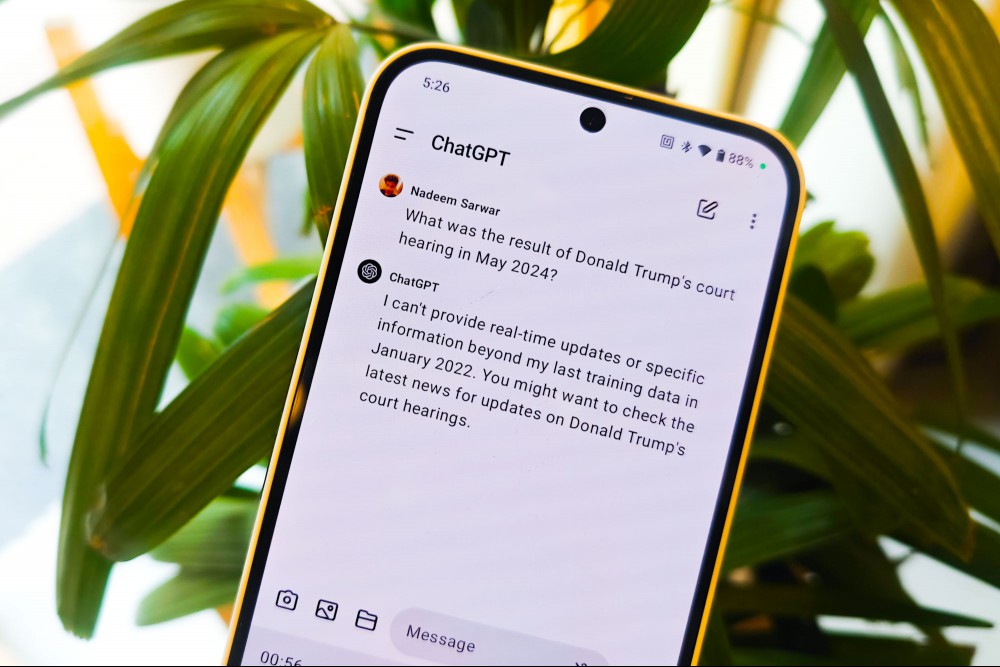
So, which one is better: GPT-4 vs. GPT-5?
I don’t want to give you a non-answer, so I’ll say that for me, GPT-5 is fine for work. I don’t need a buddy — I need an AI assistant (kind of, I guess, not really). My biggest gripe with GPT and other models is that they hallucinate and make stuff up, so if that could be improved, I’d be on board.
Unfortunately, in the few short days since launch, I’ve already run into hallucinations. I suppose it’ll take time for those things to be fully ironed out.
However, talking to ChatGPT is a lot less intuitive now. You really have to zone in and master your prompt engineering, because natural conversation doesn’t seem to achieve much. If OpenAI hoped to make this easier to communicate with, I can’t say that’s been my experience so far.
Ultimately, it’s down to each person’s preferences. If you asked me to pick between GPT-4o and GPT-5 based on personality alone, I’d have said neither. But somewhere between those two models, there has to be the perfect balance of casual and formal that OpenAI has yet to strike, and I hope that we’ll see it one day soon.

Next time you dive into Yelp to look for restaurants or other places to go, you might see some of your previously posted content turning up in the app
Artificial Intelligence, otherwise known as AI, has been dominating the news for the past few years, and of all of the potential chatbots you can use
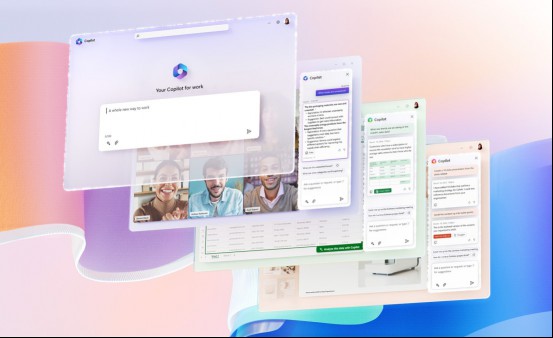
articiOver the past few years, AI has gone from limited chatbots to suddenly dominating the news cycle every single day. There are a range of AI chatb
ChatGPT’s recent image generation capabilities have challenged our previous understanding of AI-generated media. The recently announced GPT-4o model d

OpenAI has established a free public resource called ‘OpenAI Academy,’ geared toward providing AI education to all knowledge levels.Among the free off

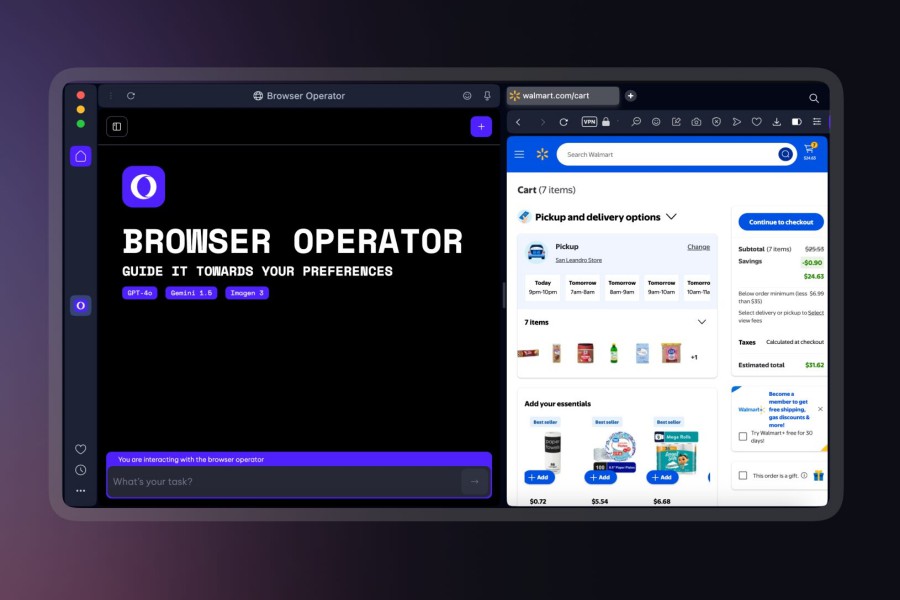
Mobile World Congress Read our complete coverage of Mobile World Congress Opera web browser is entering the agentic era of AI tools. At MWC 2025, the

Adobe FireflyFollowing on the success of its IP-friendly Firefly Image model, Adobe announced on Wednesday the beta release of a new Firefly Video mod
We are a comprehensive and trusted information platform dedicated to delivering high-quality content across a wide range of topics, including society, technology, business, health, culture, and entertainment.
From breaking news to in-depth reports, we adhere to the principles of accuracy and diverse perspectives, helping readers find clarity and reliability in today’s fast-paced information landscape.
Our goal is to be a dependable source of knowledge for every reader—making information not only accessible but truly trustworthy. Looking ahead, we will continue to enhance our content and services, connecting the world and delivering value.