
Spotify hit band The Velvet Sundown comes clean on AI
The Velvet Sundown burst onto the music scene in early June and in the space of just a few weeks gained an astonishing 400,000 monthly listeners on Sp
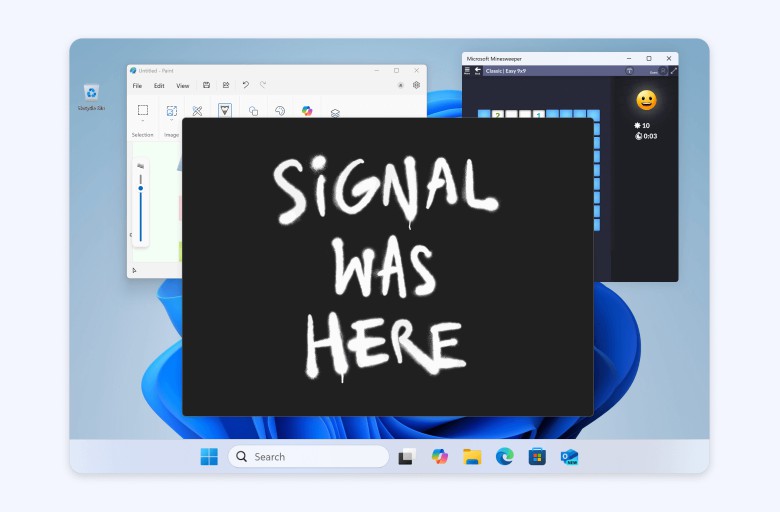
Signal, the popular privacy-centric messaging app, has rolled out a significant update to its Windows 11 desktop client, called “Screen Security” to combat Microsoft’s AI-powered Recall tool from capturing screenshots of users’ private conversation. This move underscores Signals stance on user privacy, following recent publicity from the Trump Administration and attention drawn to how the app is used. According to Bleeping Computer, the Screen Security feature is turned on by default in Windows 11.
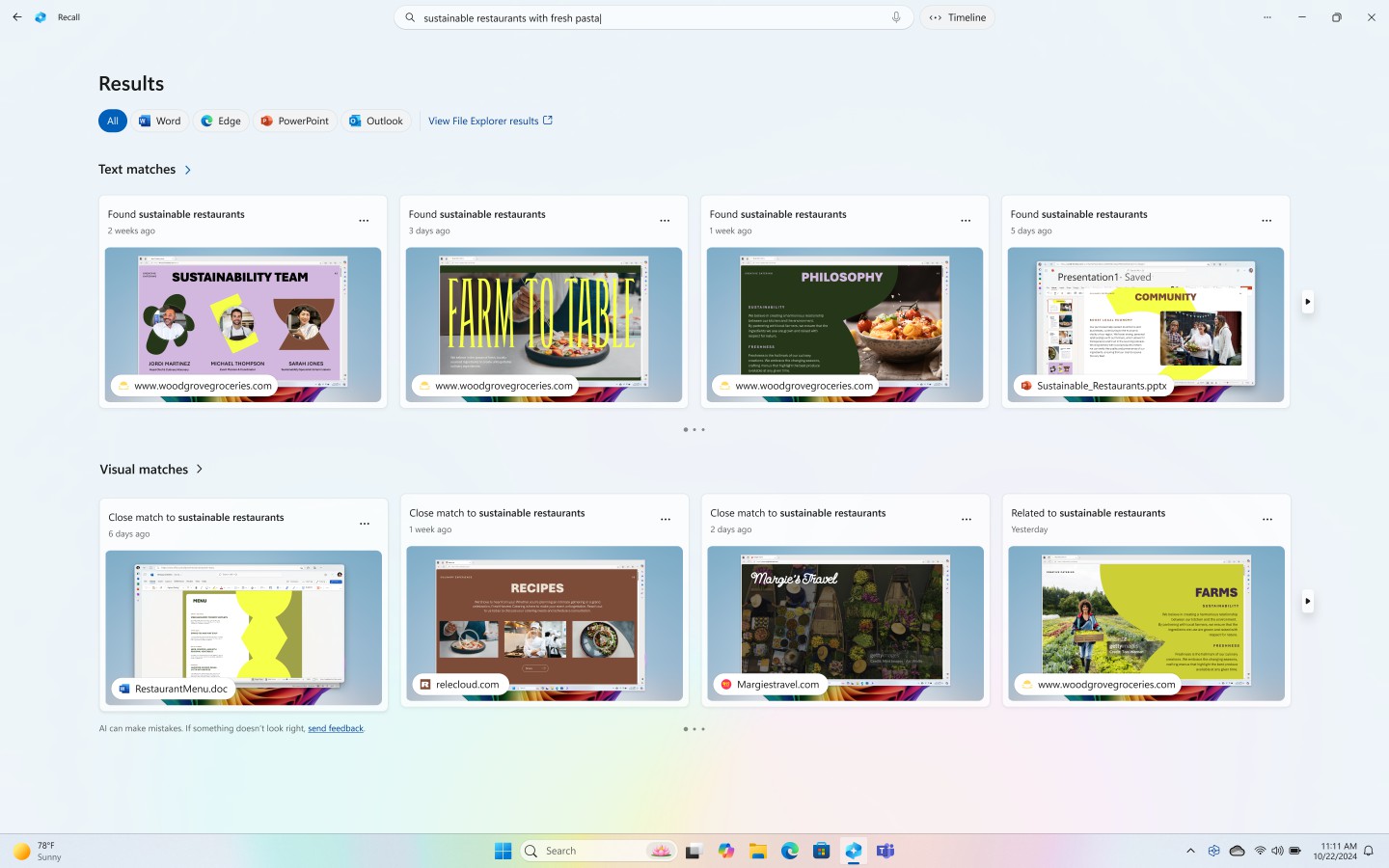
Microsoft Recall, recently launched on Copilot+ PCs, is an AI-driven tool that periodically captures screenshots of a person’s desktop to create a searchable timeline of past activities. While intended to enhance productivity by allowing people to revisit previous tasks, Recall has sparked privacy concerns due to its broad access to on-screen content, including sensitive information from various applications. Notably, Recall lacks an API that would enable developers to exclude their applications from being captured, leaving privacy-focused apples like Signal vulnerable to unintended data exposure.
In response, Signal’s latest update employs Digital Rights Management (DRM) techniques – similar to those used by streaming services like Netflix or Hulu – to block screen capture attempts. According to Laurent Giret at Thurrott.com, when the Screen Security feature is enabled, any attempt to take a screenshot of the Signal app results in a blank image, effectively shielding conversations from being recorded by Recall or other screenshot tools.
This feature is activated by default on Windows 11 devices but can be disabled by people who require compatibility with certain accessibility tools. Signal acknowledges that while this measure may interfere with functionalities like screen readers, the lack of granular control over Recalls operations left them with limited options. As Signal developer Joshua Lund stated, “Microsoft has simply given us no other option” reports ArsTechnica.
Signals action highlights a growing tension between privacy and system-level AI features. The implementation of Recall without adequate opt-out mechanisms raises questions about the balance between innovation and privacy rights. By taking matters into its own hands, Signal sets a precedent for other applications to prioritize user data protection, potentially prompting Microsoft to reconsider the design and permissions associated with Recall.
As AI continues to integrate deeper into the operating systems of devices, the need for transparent and user-controlled privacy settings becomes increasingly critical. Signal’s update serves as a reminder that safeguarding user privacy requires vigilant and proactive measure, especially when system-level features may inadvertently compromise sensitive information.
For people concerned about the implications of Microsoft’s recall feature, Signals latest update offers a layer of protection, refining the apps reputation in the secure communication space. We have a solid list of Signal tips & tricks should you decide to give the app a try.

The Velvet Sundown burst onto the music scene in early June and in the space of just a few weeks gained an astonishing 400,000 monthly listeners on Sp
SoftBank boss Son Masayoshi said on Wednesday that his team is working on a first-of-its-kind system in which AI agents will be able to self-replicate
If you’ve had enough of AI-generated images filling up your search results, then the DuckDuckGo search engine is here to help.The Pennsylvania-based c
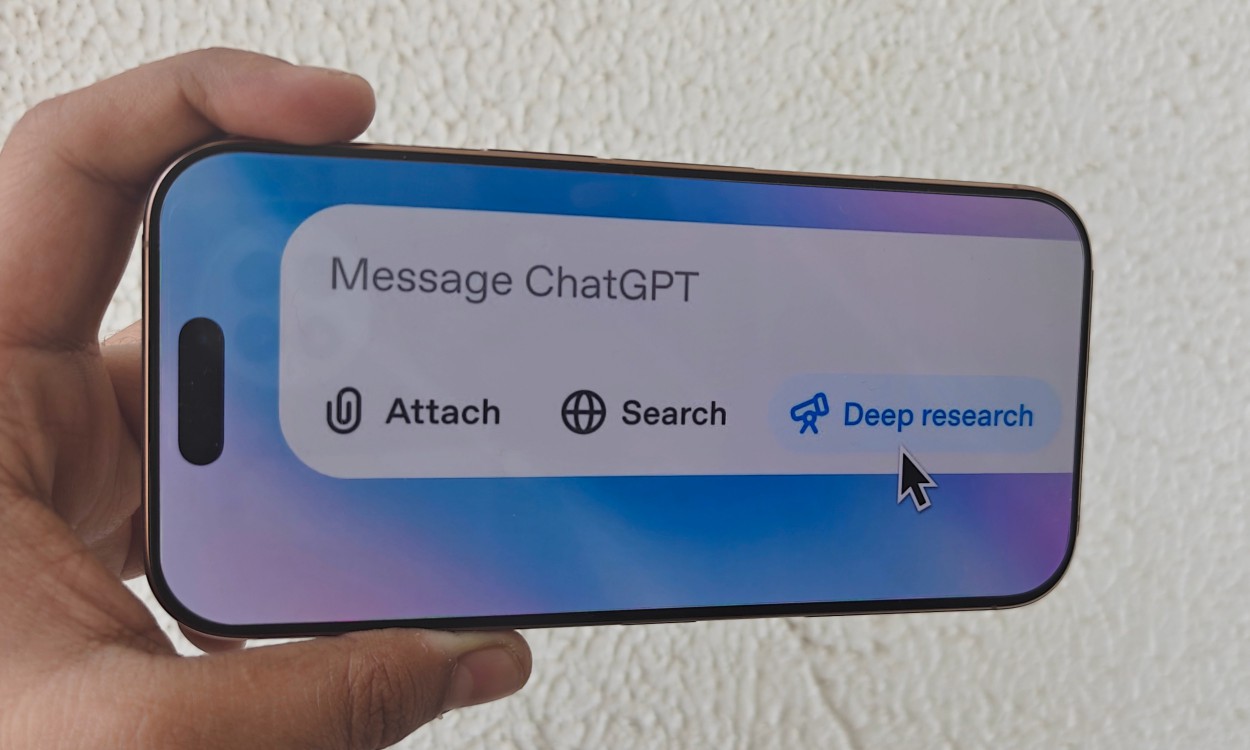
With the launch of GPT-5, ChatGPT received more than just an upgrade — it appears to have gone through a personality overhaul. Comparing past chats wi
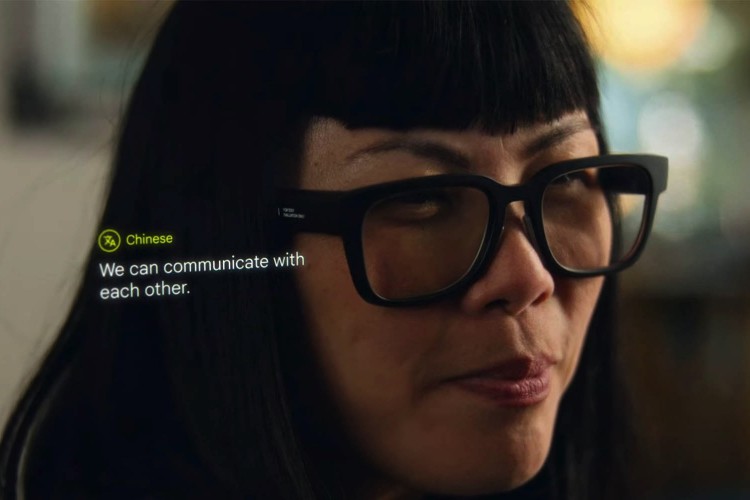
Samsung’s Project Moohan XR headset has grabbed all the spotlights in the past few months, and rightfully so. It serves as the flagship launch vehicle
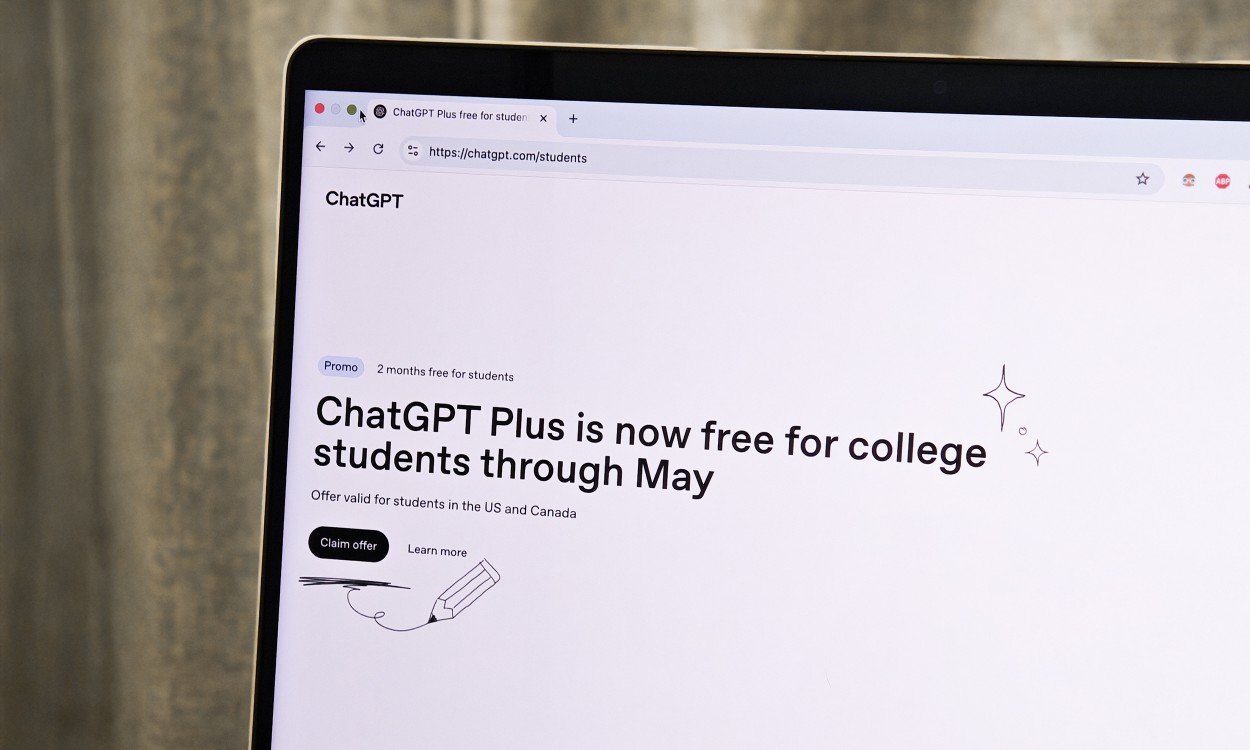
ChatGPT didn’t just emerge onto the AI scene, it birthed an entire revolution of AI assistants and agents and made them accessible to consumers who we
Microsoft is one of the early backers of OpenAI, and has repeatedly hawked products like Copilot by touting their access to the latest ChatGPT models.

Technische Universität BerlinIn what is becoming an increasingly tiresome and petty personal spat between a pair of tech billionaires, the Wall Street
We are a comprehensive and trusted information platform dedicated to delivering high-quality content across a wide range of topics, including society, technology, business, health, culture, and entertainment.
From breaking news to in-depth reports, we adhere to the principles of accuracy and diverse perspectives, helping readers find clarity and reliability in today’s fast-paced information landscape.
Our goal is to be a dependable source of knowledge for every reader—making information not only accessible but truly trustworthy. Looking ahead, we will continue to enhance our content and services, connecting the world and delivering value.