
‘You are ChatGPT’: Leaked system prompt reveals the inner workings of GPT-5
What’s happened? A supposed GPT-5 system prompt leaked via Reddit and GitHub this weekend. The prompt reveals the exact rules given to ChatGPT for int

Samsung’s much-rumored smart glasses will enter the market in 2026 according to a new report, but the South Korean giant has just been beaten to market by a Taiwanese rival, HTC.
Yes, HTC. The company which for several years brought us beautiful phones including the HTC One, One M8 and One M9, before withdrawing from the market to focus on its Vive VR headset, is now making a splash in the AI smart glasses arena.
With Meta and Snapchat having somewhat popularized the smart glasses form factor with products like the Ray-Ban Meta and Snapchat Specs, serious competition is beginning to come to the fore.
According to a report from Korean publication SE Daily (via GSMArena), Samsung will announce its first set of smart glasses in late 2026, meaning we’re likely still a year off an eyewear launch from the brand.
The report claims Samsung’s glasses will be similar in design to the Ray-Ban Meta specs, and will feature speakers, a microphone and a camera.
It also notes that these glasses are separate to the AR specs (with a display) which Samsung is said to be working on in partnership with Google.
And Samsung isn’t the only brand tipped to make a smart glasses splash in 2026, after Google demoed its own Android XR glasses during the IO 2025 keynote earlier this year – the first of which, made by partner Warby Parker, could arrive next year.
But here comes a new set of smart glasses from an established (if not slightly forgotten) brand in 2025.

Billed as ‘AI smart glasses’, HTC Vive Eagle feature a 12MP ultra-wide camera with LED indicator, 235mAh battery and magnetic fast charging in a 49g frame. There are speakers too, but the open-ear design means you won’t have anything in or covering you ears.
You also get HTC’s Vive AI voice assistant, which supports LLM platforms including ChatGPT and Google’s Gemini, allowing you to control features such as the camera and music playback with spoken commands, as well as ask more complex questions.
There’s also support for real-time translation in 13 different languages; Arabic, Traditional Chinese, English, French, German, Greek, Italian, Japanese, Portuguese, Spanish, Korean, Thai and Turkish.
HTC says the Vive Eagle glasses can deliver 4.5 hours of continuous music playback on a single charge, and last up to 36 hours on standby.
There is a catch though, the HTC Vive Eagle are only available in Taiwan, where pre-orders are now open, with a release date set for September 1. There are four colors to choose from – Berry, Coffee, Grey, and Black – and they’re priced at NT$15,600 (around $500).
There’s currently no word on whether we’ll see the smart glasses launched in more countries, but watch this space as the market starts to hot up. Oakley dipped its toe in the smart glasses water only a couple of months ago.
What’s happened? A supposed GPT-5 system prompt leaked via Reddit and GitHub this weekend. The prompt reveals the exact rules given to ChatGPT for int

ChatGPT didn’t just emerge onto the AI scene, it birthed an entire revolution of AI assistants and agents and made them accessible to consumers who we

Anthropic has thrown its hat in the race to establish an AI-based web search feature, which it announced on Thursday.The feature is based on Anthropic

Competition in the AI industry remains tough, and OpenAI has proven that it is not taking any coming challenges lightly. The generative AI brand annou
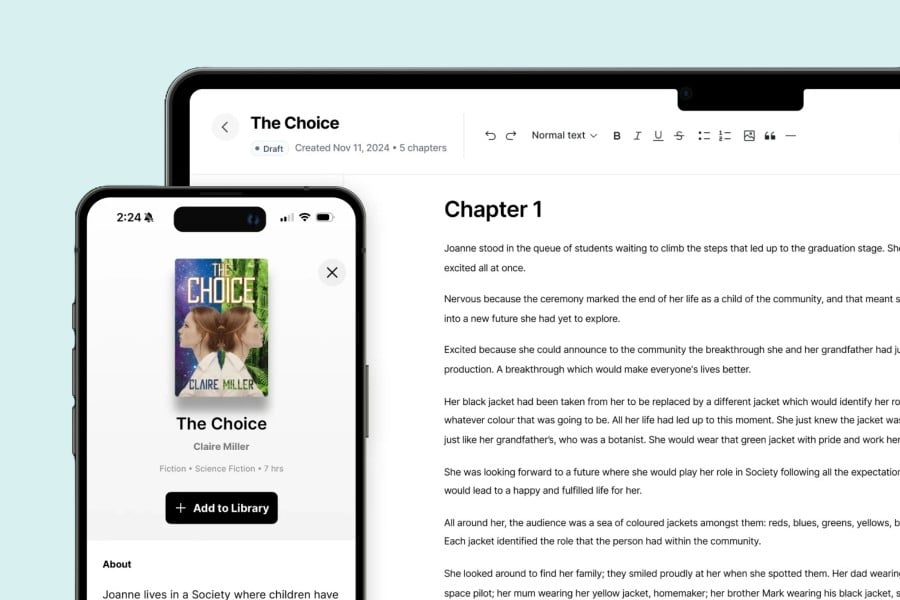
ElevenLabs, the buzzy New York-based company specializing in AI audio tools, is diving headfirst into the world of audiobook publishing. Merely days a

Over three months ago, Google started beta testing a new safety feature for Pixel phones that can sense signs of a fraud in voice calls using AI analy

LiveNOW from FOXJD Vance took to the stage at the Paris AI Action Summit on Wednesday declaring that, “the United States of America is the leader in A
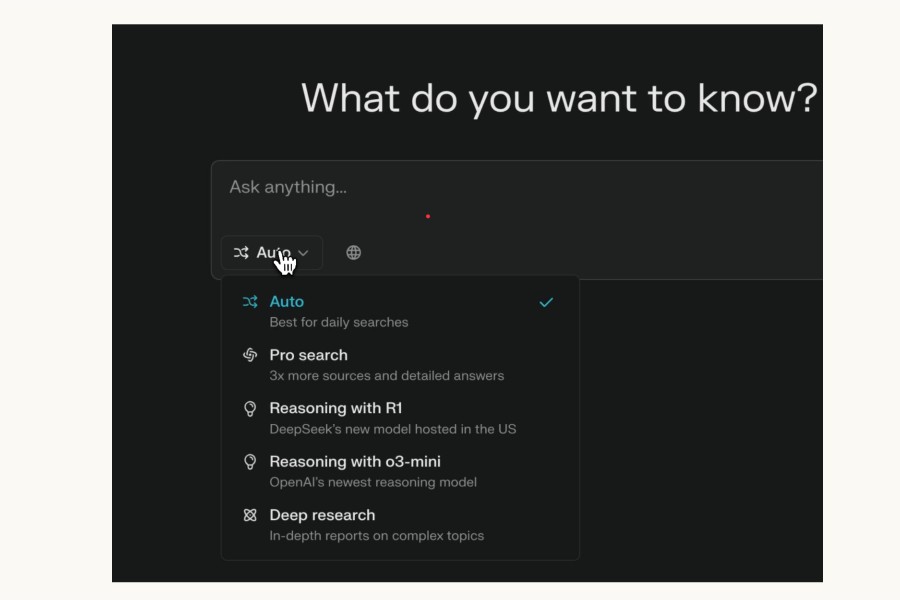
What if you tell an AI chatbot to search the web, look up a certain kind of source, and then create a detailed report based on all the information it
We are a comprehensive and trusted information platform dedicated to delivering high-quality content across a wide range of topics, including society, technology, business, health, culture, and entertainment.
From breaking news to in-depth reports, we adhere to the principles of accuracy and diverse perspectives, helping readers find clarity and reliability in today’s fast-paced information landscape.
Our goal is to be a dependable source of knowledge for every reader—making information not only accessible but truly trustworthy. Looking ahead, we will continue to enhance our content and services, connecting the world and delivering value.