
Apple needs an AI magic pill, but I’m not desperate for it on macOS
Over the past few months, all eyes have been fixated on Apple and what the company is going to do with AI. The pressure is palpable and well deserved.
Everyone has been talking about ChatGPT’s new image-generation feature lately, and it seems the excitement isn’t over yet. As always, people have been poking around inside the company’s apps and this time, they’ve found mentions of a watermark feature for generated images.
Spotted by X user Tibor Blaho, the line of code image_gen_watermark_for_free seems to suggest that the feature would only slap watermarks on images generated by free users — giving them yet another incentive to upgrade to a paid subscription.
This isn’t the first time OpenAI has played around with the idea of watermarks, however. Reports last year revealed that the company had developed a tool for watermarking AI-generated text as well, but ultimately didn’t release it.
This decision was criticized by many since it appeared to put profits ahead of responsible conduct — watermarking would help keep AI-generated content from appearing in places it shouldn’t be, but if people can’t use the product freely, they’re more likely to lose interest in it.
Watermarking images generated by free users, on the other hand — well, that could have a positive impact on profits if handled correctly. There’s no saying yet whether this feature will see the light of day, but users could have plenty to say about it if it does.
The most important thing is how these watermarks look — the term itself suggests text or logos would be overlayed on top of the image, but that might not be the case. Google’s watermarking system for AI images, for example, isn’t visible to humans. It tweaks a small number of pixels to make a pattern for watermark detection tools to find.
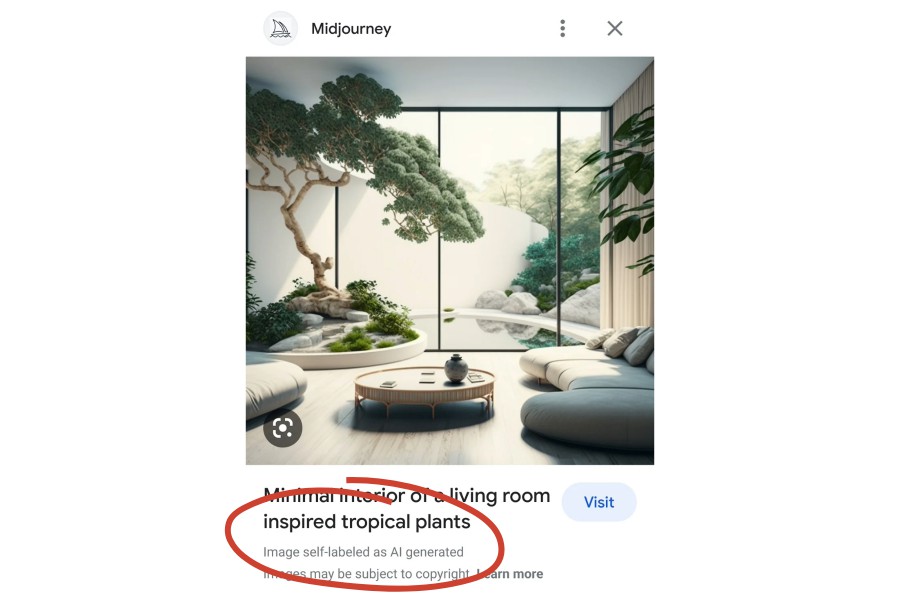
This kind of approach is useful on multiple fronts — it doesn’t spoil the image for human viewers and it’s also harder to remove the watermark by cropping, adjusting, or photoshopping the image.
It would certainly keep free users happier — but on the other hand, the decision to remove it for paid users would seem weirder. If the images look the same either way, then the only benefit paid users would get from losing the watermark is the ability to try and pass their AI-generated images off as human-made or as real photographs. And if that doesn’t sound dodgy, I don’t know what does.
This is all speculation, though — there are no details available about this potential feature and OpenAI might never release it anyway. Perhaps if enough people ask Sam Altman about it on X, he’ll respond.
Over the past few months, all eyes have been fixated on Apple and what the company is going to do with AI. The pressure is palpable and well deserved.

The Velvet Sundown burst onto the music scene in early June and in the space of just a few weeks gained an astonishing 400,000 monthly listeners on Sp

In a showcase of where audio tech is headed, Soundcore, the premium sub-brand of Anker Innovations, took the stage at Microsoft Build 2025 this week w

There’s a running joke in the streaming world. By the time you decide what to watch, the snacks are over, or the mood is gone. Netflix even launched a
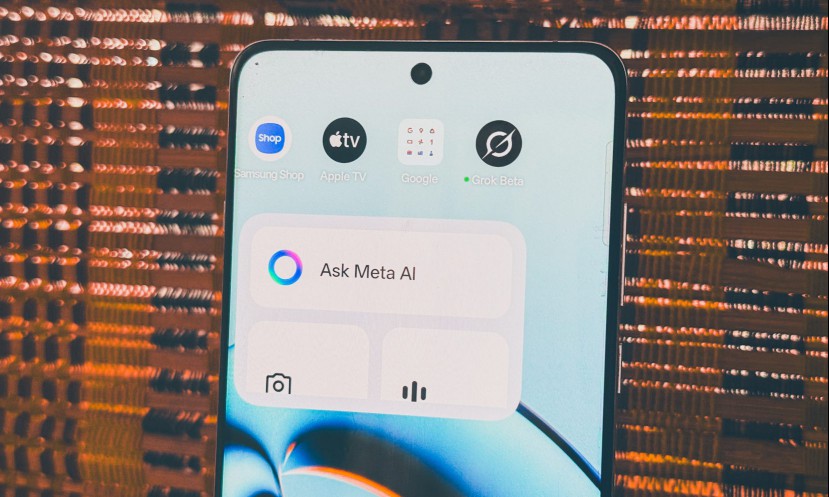
Imagine a tech giant telling you that it wants your Instagram and Facebook posts to train its AI models. And that too, without any incentive. You coul

More than 25 years after its original release, Hayao Miyazaki’s action epic Princess Mononoke is back in theaters across North America. The movie is c

Finding relevant information on Gmail can be a daunting task, especially if you have a particularly buzzy inbox. Right now, the email client uses a se
@Leopeva64Microsoft has added a new share button to Copilot in Edge, allowing users to share AI chat conversations with others more easily by creating
We are a comprehensive and trusted information platform dedicated to delivering high-quality content across a wide range of topics, including society, technology, business, health, culture, and entertainment.
From breaking news to in-depth reports, we adhere to the principles of accuracy and diverse perspectives, helping readers find clarity and reliability in today’s fast-paced information landscape.
Our goal is to be a dependable source of knowledge for every reader—making information not only accessible but truly trustworthy. Looking ahead, we will continue to enhance our content and services, connecting the world and delivering value.