
GPT-5 is here: ChatGPT just took a big step forwards
GPT-5, the next major upgrade to OpenAI’s ChatGPT AI model, has finally arrived, bringing with it new capabilities that push the AI model further forw
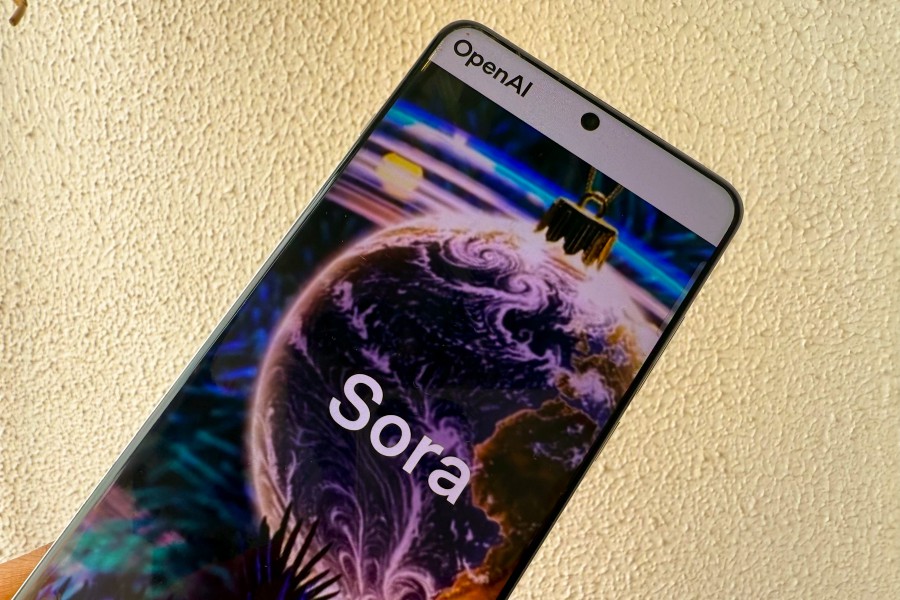
OpenAI is inconsistent in a lot of things — is it a non-profit or a for-profit? Is Sam Altman fit to be CEO or not? But one thing the company has always been consistent about is its belief that it requires access to copyrighted material for AI training. Now, despite the many voices that disagree, OpenAI wants the U.S. government to approve such unrestricted access by ruling it as “fair use.”
The company argues that the U.S. will fall behind China in the AI race if companies don’t have the freedom to train their models on copyrighted material — claiming that “overly burdensome state laws” will slow the process and affect results.
If you’re a creator, this could impact you, too. Artists, writers, programmers, photographers, and filmmakers with online portfolios, for example, all own their work but if this plan goes through, you’ll have no grounds to complain when your content is used to train AI. Even more physical creative pursuits like fashion design, jewelry-making, or sculpting aren’t safe if you post photos of your work online.
It seems like a cruel joke that OpenAI wants AI training to count as “fair” use of copyrighted work when the products it develops will be used to generate new mangled versions of personal creations. A particularly direct example of this happened just last month when the French cast of Apex Legends was reportedly asked to participate in training an AI model that would eventually be used to generate voice lines for the game.
There are a lot of commercial uses for various kinds of creative content but the better AI models get at mimicking it, the harder it will be to make money as a creator. Companies have quite the track record of choosing the least expensive option in any situation, and there’s little reason to believe this will change any time soon.
It’s hard to imagine what the solution will be for creators in this situation. Individuals who really care about protecting their work might start password-protecting their online portfolios, sacrificing just a few old examples to the training sets, and only sharing the rest upon human request.
There would definitely be demand for a proper solution too — some kind of new portfolio or creative sharing platform that only humans can access. It would need to have a pretty hardcore authentication process but there are definitely people out there who care enough about this to sacrifice some convenience.
The White House hasn’t responded to OpenAI’s plan yet, so we’ll have to wait and see how this develops.
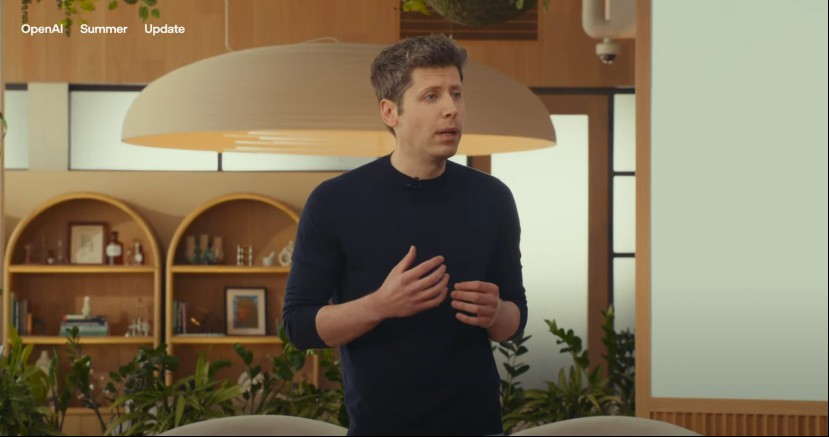
GPT-5, the next major upgrade to OpenAI’s ChatGPT AI model, has finally arrived, bringing with it new capabilities that push the AI model further forw
As AI starts dominates the technology landscape, it becomes more and more appealing to give the software a try, however it can be somewhat intimidatin
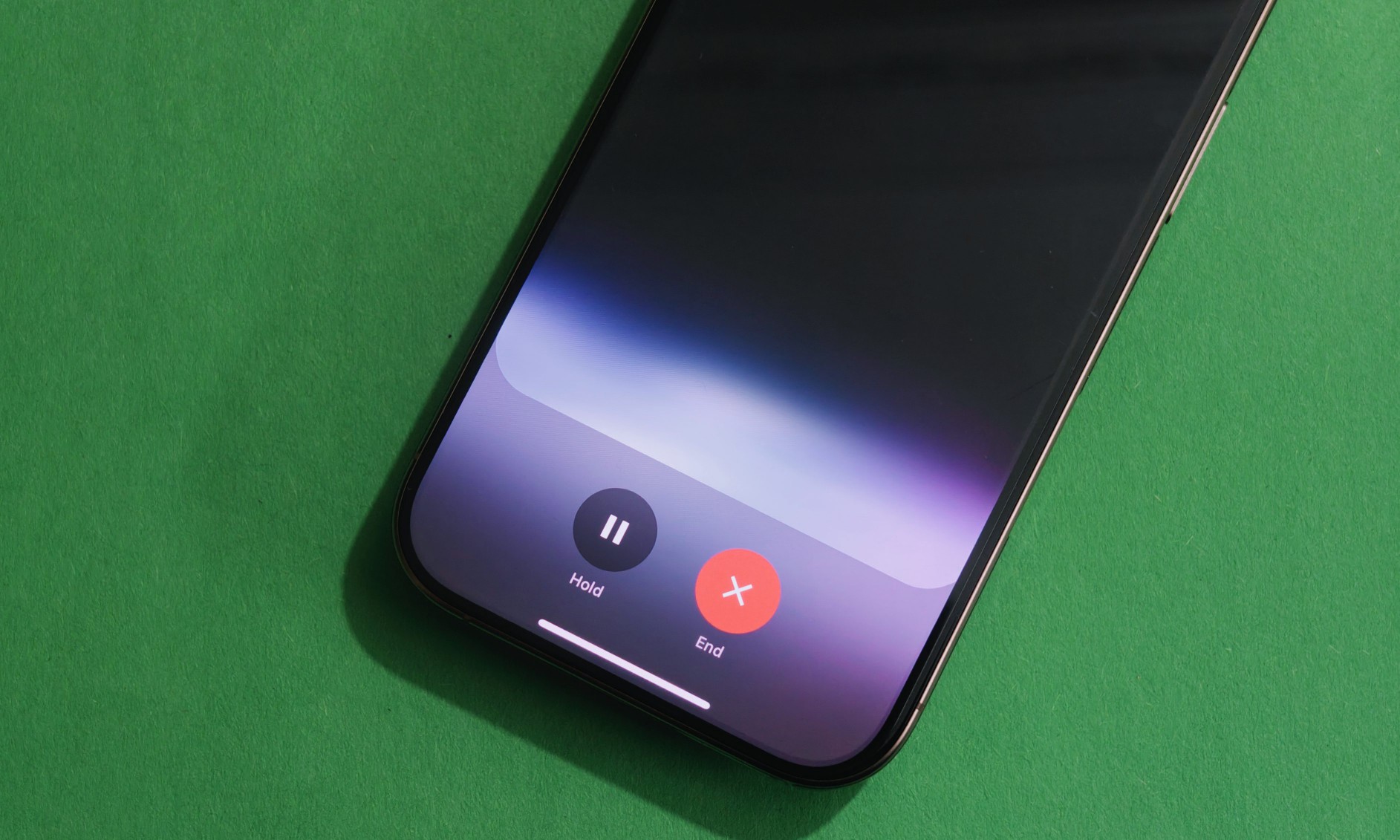
“Find me a decent coffee shop where I can sit and get work done?” I uttered into my iPhone’s mic. “I’ll need to use ChatGPT to write that.” That was S
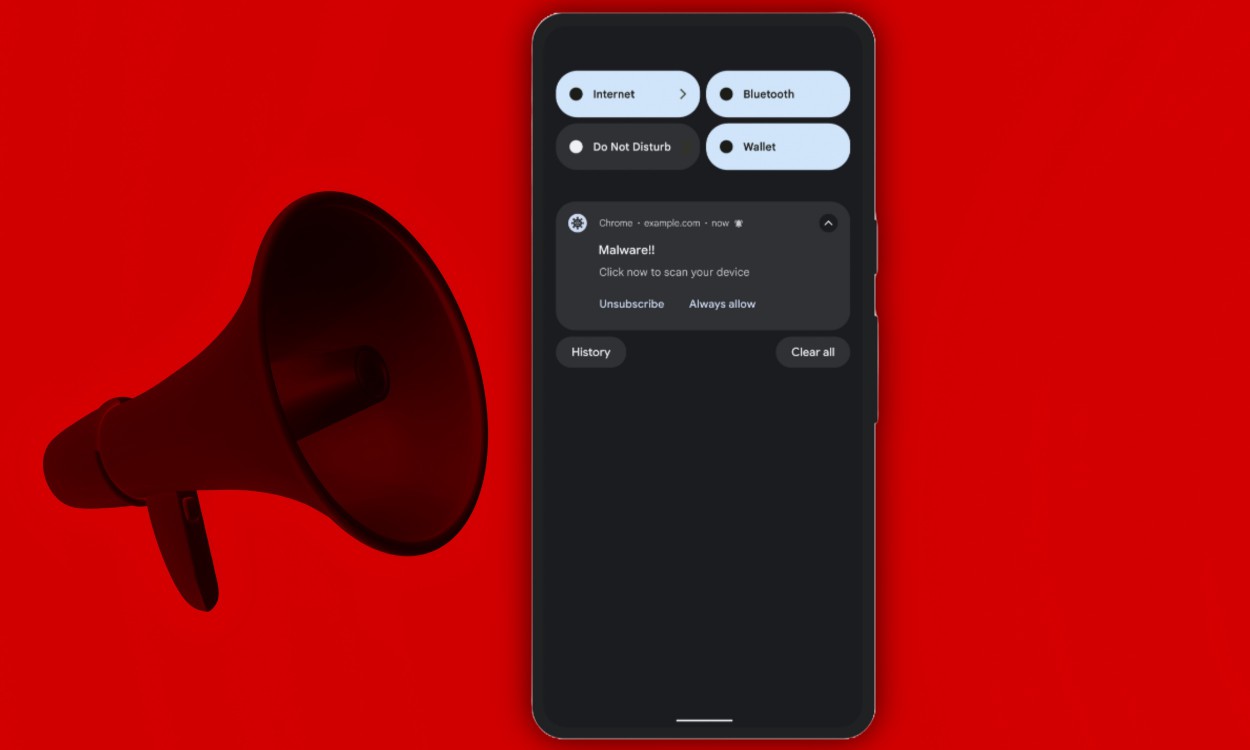
Google’s Chrome browser has offered a rich suite of privacy and safety features for a while now. Take, for example, Enhanced Safe Browsing, which was
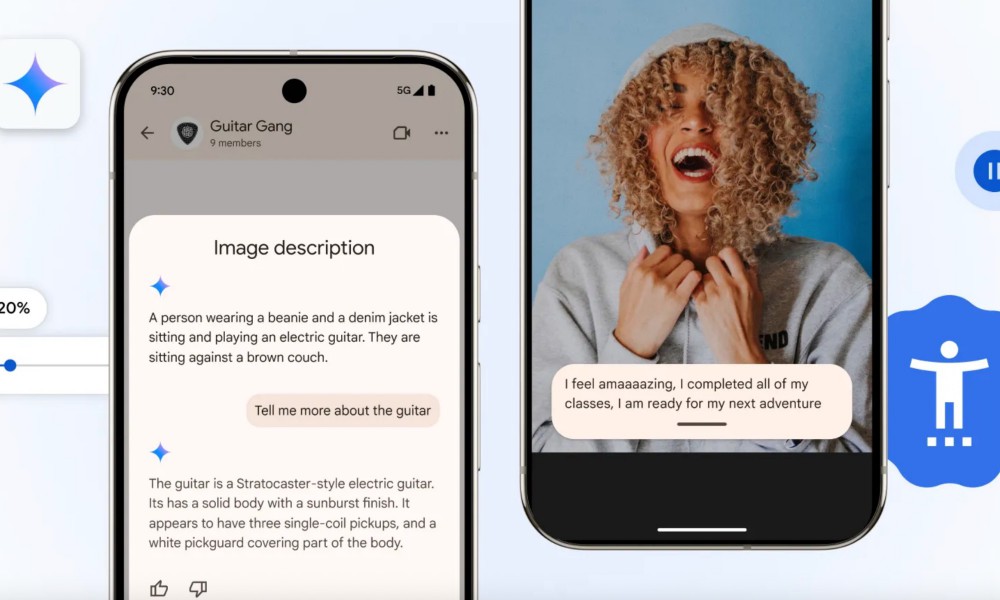
Android devices have offered a built-in screen reader feature called TalkBack for years. It helps people with vision problems to make sense of what ap

Nearly two billion people across the world suffer from a blood condition called anemia. People living with anemia have a lower than average number of

Microsoft is testing out an interesting new aspect within the Settings of the latest Windows 11 preview build that allows users to expand the function

LiveNOW from FOXJD Vance took to the stage at the Paris AI Action Summit on Wednesday declaring that, “the United States of America is the leader in A
We are a comprehensive and trusted information platform dedicated to delivering high-quality content across a wide range of topics, including society, technology, business, health, culture, and entertainment.
From breaking news to in-depth reports, we adhere to the principles of accuracy and diverse perspectives, helping readers find clarity and reliability in today’s fast-paced information landscape.
Our goal is to be a dependable source of knowledge for every reader—making information not only accessible but truly trustworthy. Looking ahead, we will continue to enhance our content and services, connecting the world and delivering value.