
Meta made insane offers in bid to nab OpenAI talent, Altman claims
OpenAI chief Sam Altman has said that Meta tried to tempt his top AI researchers to switch sides by offering hiring bonuses of $100 million. Yes, you
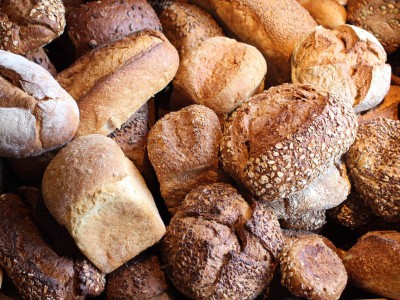
There may be no dietary staple more in need of a public relations makeover than bread. Concerns over carbs, sodium and gluten sometime overshadow what can be a simple, tasty way to add important vitamins and minerals as well as fiber to daily meals.
But some breads are better for you than others.
Whole-grain breads are good sources of nutrients that help maintain a healthy immune system. They also provide dietary fiber that can help improve cholesterol levels and lower the risk of heart disease, stroke, obesity and Type 2 diabetes.
Refined grains, on the other hand, can lead to a surplus of sugar in the bloodstream, which in turn becomes stored in the body as fat.
And refined-grain breads – which have a finer texture and a longer shelf life than whole-grain breads, but lack most of the nutrients – turn up often in everyday foods. White bread is an obvious example, but French bread, bagels and pizza crust commonly contain refined grains as well.
White bread "looks pretty much like plain sugar, really, just simple carbohydrates," said Marie-Pierre St-Onge, an associate professor of nutritional medicine at Columbia University in New York. "Not the complex carbohydrates that we find in whole grains."
Fad diets may warn against bread's calories and carbohydrates, but both are necessary components of a daily diet. Complex carbohydrates provide energy for longer periods of time than simple carbohydrates, like those found in white bread.
"I always find it comical when I see low-carbohydrate bread, because you know, it's all carbohydrates," St-Onge said. "If there are concerns about bread, it's probably more about what you put between those two slices than the slices themselves."
A slice of whole-grain wheat bread typically contains 70 calories, compared with 77 calories in a slice of white bread. Whole-grain bread has more dietary fiber than white bread (2 grams compared to 0.8 grams), and white bread has 1.64 grams of sugar while whole-grain bread has none.
Whole-grain bread can come in a variety of forms, with a variety of other healthy ingredients.
"You can be very creative with the types of bread that you consume," St-Onge said. "Having different breads that are whole grain can be a way to make your sandwiches more interesting. You can include flaxseed, rye, oats, walnuts, hazelnuts. Those are good for your heart."
Whole grains are typically low in sodium, but salt may be added during processing of certain types of bread.
"Bread must have sodium. It needs it," St-Onge said. "You have to stop the yeast at some point, and you need to have salt to do that for preservation purposes. But I would not consider that to be a reason not to consume bread."
Bread also contains gluten, a protein that is found in wheat, barley and rye. People who have celiac disease are unable to tolerate gluten, and others may have a sensitivity to gluten that causes symptoms such as nausea or abdominal pain.
Gluten-free bread may be an option, St-Onge said, but only if it is truly necessary.
"The gluten craze is something to be wary about," she said. "Baked gluten-free foods often do not have optimal nutrient value."
The safest way to make sure your bread is healthy, St-Onge said, is to make it yourself.
"It's easy; you can use a bread machine or a no-knead recipe where you don't even have to knead it," she said. "You can control the flour that you put in. There are no additives."
Some people trying to limit the carbs and calories of bread may opt for tortillas or lettuce wraps, St-Onge said, but there are dietary implications to be considered.
"A leaf of lettuce will have a couple of calories, where a slice of bread will have 100-something calories. But will you have the same amount of vitamins and minerals in a leaf of lettuce that you will get in a slice of bread? No," she said.
"Have your regular sandwich and add in leaves of lettuce. Make it crunchy. Make it fresh. And then your sandwich is heftier, it's bulkier, it's bigger. It's more satisfying."
If you have questions or comments about this story, please email [email protected].
Not sure if what you’re putting on your plate is healthy? The Eat It or Leave It? series from American Heart Association News covers the science behind foods and drinks, with an expert look at the health pros and cons.
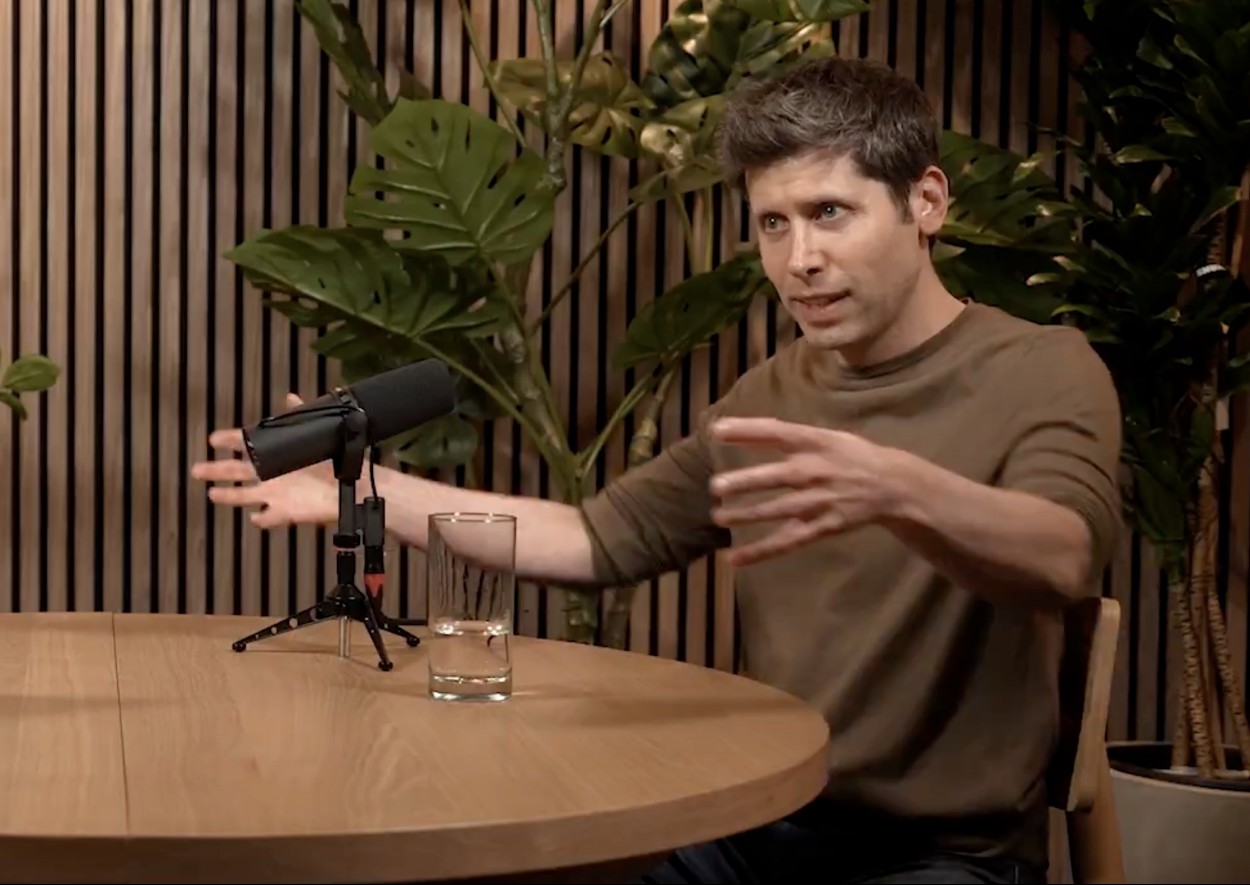
OpenAI chief Sam Altman has said that Meta tried to tempt his top AI researchers to switch sides by offering hiring bonuses of $100 million. Yes, you
If you’ve had enough of AI-generated images filling up your search results, then the DuckDuckGo search engine is here to help.The Pennsylvania-based c

OpenAI released a paper last week detailing various internal tests and findings about its o3 and o4-mini models. The main differences between these ne
Late last year, Microsoft introduced a new AI feature called Copilot Vision for the web, and now it’s being made available on mobile devices. This fea

The inevitable outcome of artificial intelligence was always its use in robots, and that future might be closer than you think. Google today announced
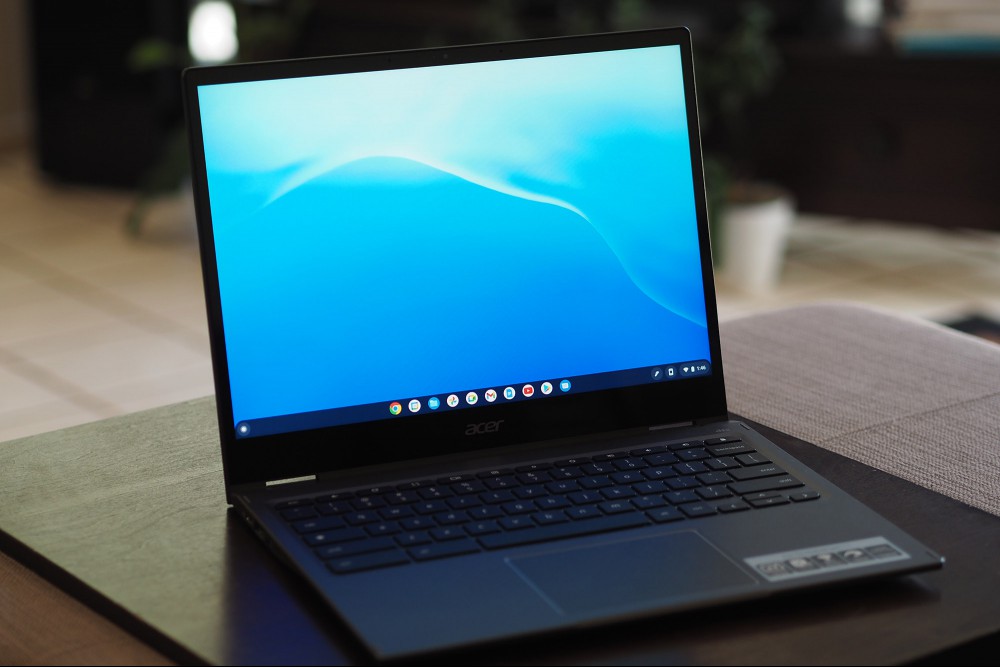
Google recently announced that Gemini will soon replace Google Assistant everywhere, from your phone and smartwatches to smart home speakers. ChromeOS
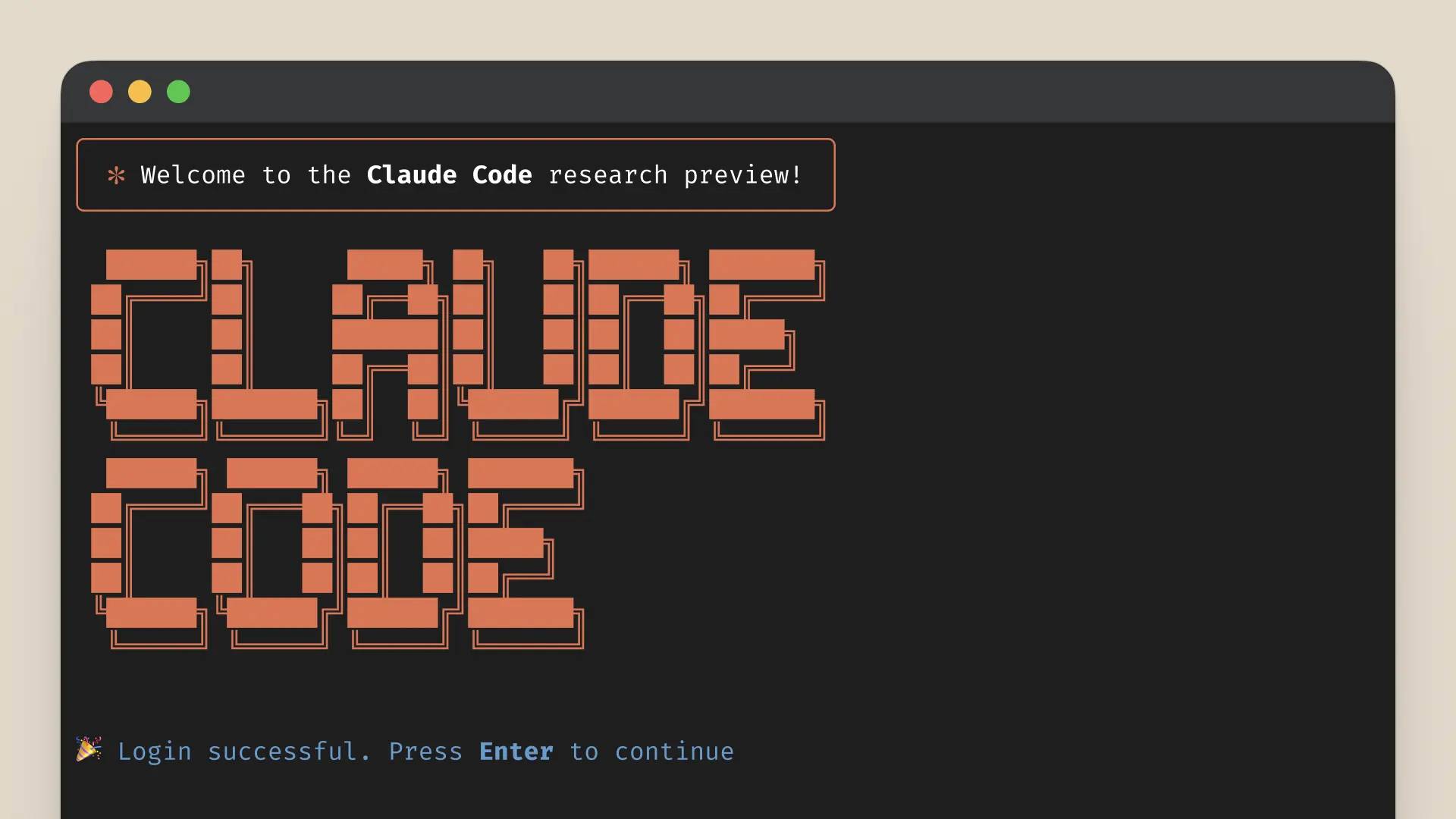
AnthropicOpenAI’s o3 and DeepSeek’s R1 models have some new competition. Anthropic announced Monday the release of its new “hybrid reasoning” model, C
Pixabay / PexelsGoogle will continue to go all in on AI in 2025, CEO Sundar Pichai announced during the company’s Q4 earnings call Wednesday. Alphabet
We are a comprehensive and trusted information platform dedicated to delivering high-quality content across a wide range of topics, including society, technology, business, health, culture, and entertainment.
From breaking news to in-depth reports, we adhere to the principles of accuracy and diverse perspectives, helping readers find clarity and reliability in today’s fast-paced information landscape.
Our goal is to be a dependable source of knowledge for every reader—making information not only accessible but truly trustworthy. Looking ahead, we will continue to enhance our content and services, connecting the world and delivering value.